How does immune system function decline with age

How Does the Immune System Function Decline With Age?
The immune system is a complex biological network that protects the body, recognizes unfamiliar molecular structures, coordinates inflammatory responses and maintains a balance between immune activation and tolerance. However, this network changes throughout life. As people grow older, some immune responses become less effective, immune cell populations are remodeled, and persistent inflammatory activity may increase. These interconnected changes are known as immunosenescence and inflammaging.
Understanding how the immune system declines with age has become an important area of immunology, molecular biology and aging research. Scientists are investigating why naive lymphocytes become less abundant, how antibody responses change, why immune cells can develop altered metabolic activity, and how chronic inflammatory signals influence the surrounding tissue environment.
The process is not simply a reduction in the number of immune cells. It involves changes in cellular diversity, gene expression, immune signaling, tissue organization, metabolism and the ability of immune cells to coordinate their activities. Different immune functions also change at different rates, meaning that two individuals of the same chronological age can have substantially different immune profiles.
This comprehensive guide examines the major mechanisms of immune system aging, including T-cell aging, B-cell immunosenescence, innate immune dysfunction, chronic inflammation, cellular senescence, mitochondrial changes and emerging laboratory technologies used to study age-related immune decline.
Central concept: Aging remodels the immune system rather than switching it off. Some protective responses weaken, some inflammatory pathways become persistently active, and other immune functions remain relatively preserved. Immunosenescence and inflammaging help explain this complex biological pattern.
1. Understanding the Aging Immune System
The immune system contains multiple layers of defense that communicate continuously. Innate immunity provides rapid responses to microorganisms, tissue damage and cellular stress. Adaptive immunity uses specialized T and B lymphocytes to recognize particular antigens and develop immune memory. Complement proteins, cytokines, chemokines, antibodies and other signaling molecules connect these components.
During aging, the organization and coordination of these systems can change. Researchers describe immunosenescence as the collection of age-associated changes in immune cell development, composition and function. It can involve reduced production of naive lymphocytes, altered antigen recognition, changes in cellular proliferation and shifts in inflammatory regulation.
At the same time, aging tissues may accumulate senescent cells, damaged cellular components and molecular signals that activate inflammatory pathways. These changes can contribute to inflammaging, a term describing persistent, generally low-grade inflammation associated with advancing age.
Immunosenescence Is More Than a Decline in White Blood Cells
A routine white blood cell count provides useful information, but it cannot fully describe immune competence. A person may have a cell count within the usual reference interval while experiencing changes in the diversity, activation state or function of particular immune cell populations.
For example, researchers may investigate the proportion of naive and memory T cells, B-cell differentiation, NK-cell cytotoxicity, monocyte activation and cytokine production. They may also examine whether cells respond appropriately to stimulation and whether immune responses resolve after their initial purpose has been fulfilled.
This distinction is important because immune aging is a qualitative as well as a quantitative process. Functional assays and detailed immunophenotyping often provide information that cannot be obtained from cell counts alone.
Chronological Age Versus Biological Immune Age
Chronological age describes the number of years a person has lived. Biological aging reflects changes in cellular and physiological systems, which do not necessarily progress at identical rates in every individual.
Researchers studying biological immune age investigate patterns such as lymphocyte composition, inflammatory mediators, immune repertoire diversity, cellular senescence markers and molecular signatures. These measurements can help characterize differences between individuals and populations, but no single marker currently captures every dimension of immune aging.
Genetic variation, previous infections, vaccination history, environmental exposures, nutrition, sleep, physical activity and chronic conditions may all influence immune measurements. As a result, immune aging is best understood as a multifactorial process rather than a universal timetable.

2. What Causes the Immune System to Decline With Age?
Age-related immune decline does not originate from one isolated biological defect. It develops through interactions among immune cell production, tissue maintenance, metabolic regulation, accumulated cellular damage and changes in the environment in which immune cells operate.
2.1 Thymic Involution and Reduced Naive T-Cell Production
The thymus is a specialized organ where developing T lymphocytes undergo selection and maturation. This process helps generate T cells capable of recognizing foreign antigens while limiting responses against the body's own tissues.
The thymus gradually changes in structure and function with age, a process called thymic involution. Functional thymic tissue decreases, and the production of new naive T cells generally becomes less robust. Consequently, the immune system increasingly depends on the expansion and maintenance of existing T-cell populations.
A smaller supply of naive T cells can limit the diversity of antigen receptors available to recognize unfamiliar targets. Researchers therefore investigate thymic epithelial cells, thymic architecture, T-cell development and mechanisms that maintain peripheral T-cell populations.
2.2 Hematopoietic Stem Cell Aging
Hematopoietic stem cells, located primarily in the bone marrow, produce the blood and immune cell lineages. These cells must maintain their capacity for self-renewal while generating progenitor cells that differentiate into distinct blood cell types.
With age, hematopoietic stem cells can develop changes in gene expression, epigenetic regulation, DNA damage responses and differentiation patterns. The distribution of stem-cell clones may also change, with some clones contributing disproportionately to blood-cell production.
Age-related shifts in hematopoiesis can affect the balance between myeloid and lymphoid cell production. The degree and consequences of these changes vary, and researchers distinguish normal age-associated remodeling from clonal hematopoiesis and related hematological conditions.
2.3 Cellular Senescence and the Accumulation of Damage
Cellular senescence is a state in which a cell enters a persistent cell-cycle arrest in response to certain forms of stress, damage or abnormal proliferation. Senescence can serve useful functions, including limiting the expansion of damaged cells. However, the accumulation of senescent cells may influence aging tissues.
Some senescent cells release a collection of signaling molecules known as the senescence-associated secretory phenotype, or SASP. Depending on the cell type and context, these molecules may include inflammatory cytokines, chemokines, growth factors and enzymes that modify the extracellular matrix.
The SASP can affect neighboring cells, recruit immune cells and change tissue environments. When senescent cells are not efficiently cleared, persistent signaling may contribute to chronic inflammation and altered tissue function.
Importantly, senescence is not exclusive to immune cells. Fibroblasts, endothelial cells and other tissue cell types may also become senescent, influencing the environment in which immune responses occur.
2.4 Mitochondrial Dysfunction and Oxidative Stress
Mitochondria provide energy and participate in cellular signaling, metabolic regulation and stress responses. Immune cells rely on carefully controlled metabolic pathways to support activation, proliferation, differentiation and specialized functions.
Aging can be associated with changes in mitochondrial function, mitochondrial DNA integrity, energy production and the regulation of reactive oxygen species. These changes may alter cellular signaling and affect how immune cells respond to environmental stimuli.
Reactive oxygen species are not inherently harmful: they also participate in normal signaling. Problems can arise when their production and antioxidant defenses become imbalanced. Researchers therefore examine redox regulation alongside mitochondrial respiration, metabolic activity and inflammatory pathways.
2.5 Epigenetic Changes and Altered Gene Expression
Epigenetic mechanisms influence how genes are expressed without changing the underlying DNA sequence. DNA methylation, histone modifications and chromatin organization help regulate immune cell identity and responses to stimulation.
Age-associated epigenetic changes can alter gene-expression programs involved in inflammation, cell differentiation, stress responses and immune signaling. Some epigenetic patterns are investigated as indicators of biological aging, although a molecular clock developed for one tissue or population may not directly represent immune function in another.
Single-cell epigenomic methods and combined transcriptomic approaches are allowing researchers to investigate how gene regulation changes across individual immune cell populations rather than treating all cells as one uniform group.
Thymic involution
Changes in thymic structure and activity can reduce the generation of new naive T cells and influence immune repertoire diversity.
Stem-cell remodeling
Age-associated changes in hematopoietic stem cells can affect lineage balance, cell production and the composition of circulating immune cells.
Cellular senescence
Senescent cells can influence tissue environments through SASP-associated inflammatory signaling and extracellular matrix changes.
Epigenetic remodeling
Changes in DNA methylation and chromatin regulation can alter gene-expression programs that control immune cell identity and activity.
3. How Does Aging Affect Innate Immunity?
Innate immunity provides an early response to pathogens, tissue injury and cellular stress. Its components include neutrophils, monocytes, macrophages, dendritic cells, natural killer cells, complement proteins and pattern-recognition receptors.
Innate immune cells recognize conserved molecular patterns through receptors such as Toll-like receptors and other pattern-recognition systems. Activation can trigger cytokine production, phagocytosis, antigen presentation and recruitment of additional immune cells.
Age-related changes in innate immunity are heterogeneous. Some cell populations become less effective at particular tasks, while other inflammatory responses may become exaggerated or poorly regulated. These differences depend on the cell type, tissue environment, stimulus and experimental conditions.
3.1 Neutrophils and Phagocytic Activity
Neutrophils are abundant innate immune cells that migrate toward sites of infection or injury. Their functions include phagocytosis, release of antimicrobial molecules and the formation of neutrophil extracellular traps under specific conditions.
Research has reported age-associated changes in aspects of neutrophil chemotaxis, microbial killing and coordination of inflammatory responses. These effects are not uniform across studies, and neutrophil number does not necessarily predict functional capacity.
Laboratory investigations may measure migration, phagocytosis, oxidative burst activity and selected activation markers to characterize how neutrophil responses differ across age groups.
3.2 Macrophages and Tissue Homeostasis
Macrophages are important for removing cellular debris, engulfing microorganisms, presenting antigens and coordinating tissue repair. Many tissues contain resident macrophage populations with specialized functions adapted to their local environment.
During aging, macrophage function may change alongside alterations in tissue signals, metabolic activity and inflammatory regulation. Some macrophage populations may exhibit altered phagocytosis or inflammatory mediator production, while tissue-specific populations can respond differently.
The traditional classification of macrophages into M1 and M2 states is useful as a simplified experimental framework, but actual macrophage states exist along a more complex spectrum. Single-cell RNA sequencing and spatial profiling help reveal this diversity.
3.3 Natural Killer Cells and Immune Surveillance
Natural killer cells, or NK cells, are lymphocytes belonging to the innate immune system. They recognize and respond to certain infected or abnormal cells without requiring the same antigen-specific priming process used by conventional T cells.
NK-cell biology changes with age. Researchers have observed changes in NK-cell subset composition, receptor expression and functional activity, although findings differ across populations and experimental conditions.
Studying NK-cell aging requires examining more than cell abundance. Functional assays may evaluate cytotoxicity, degranulation, cytokine production and responses to selected activating or inhibitory signals.
3.4 Dendritic Cells and Antigen Presentation
Dendritic cells help connect innate and adaptive immunity. They capture antigens, process them into peptides and present those peptides to T cells alongside the signals required for appropriate T-cell activation.
Age-related changes in dendritic-cell development, migration, antigen processing or cytokine production may influence how adaptive immune responses are initiated. These effects depend on dendritic-cell subtype and the biological context.
3.5 Pattern Recognition and Innate Immune Signaling
Innate immune cells use pattern-recognition receptors to detect microbial components and signals associated with cellular damage. These receptors activate signaling cascades that control inflammatory gene expression and other defensive activities.
Age-related changes in receptor expression, intracellular signaling, cellular metabolism and inflammatory feedback may alter the magnitude or duration of responses. Researchers therefore study innate immune signaling alongside cellular function rather than relying on receptor abundance alone.

4. T-Cell Aging: Why Does Adaptive Immunity Change?
T lymphocytes are central to adaptive immunity. They recognize antigen-derived peptides through the T-cell receptor, or TCR, and coordinate specialized immune functions. CD4-positive helper T cells regulate immune communication, CD8-positive cytotoxic T cells can eliminate selected target cells, and regulatory T cells help maintain immune tolerance.
T-cell populations change substantially throughout life. The gradual decline in thymic output reduces the supply of new naive T cells, while antigen exposure and homeostatic expansion influence the composition of existing populations.
4.1 Naive T Cells and Antigen Repertoire Diversity
Naive T cells have not yet encountered their specific activating antigen. Their diversity allows the immune system to respond to a wide range of potential targets. As the supply of new naive T cells changes with age, the composition of the T-cell repertoire can become less diverse.
T-cell receptor diversity is generated through rearrangement of receptor gene segments during lymphocyte development. Researchers use TCR sequencing to study repertoire composition, clonal expansion and changes in diversity across different ages or experimental conditions.
A reduction in repertoire diversity does not mean that all T-cell responses are ineffective. Rather, it can change the range of antigens that available T-cell populations are equipped to recognize.
4.2 Memory T Cells and Repeated Antigen Exposure
Memory T cells are generated after antigen exposure and can respond more rapidly when related antigens are encountered again. Memory formation is essential for long-term adaptive immunity, but the accumulation of memory cells can alter the balance between naive and memory populations.
Repeated stimulation can also promote the expansion of differentiated T-cell subsets. Some highly differentiated cells exhibit changes in proliferation, receptor expression and signaling that researchers investigate in the context of immune aging.
Distinguishing memory, exhaustion and senescence is important. These states can share selected features but are not interchangeable biological categories. Exhaustion is associated with persistent antigen stimulation and characteristic functional changes, whereas cellular senescence involves a different set of cellular programs.
4.3 CD4 Helper T Cells and Immune Coordination
CD4-positive T cells coordinate immune responses by producing cytokines and interacting with B cells, antigen-presenting cells and other immune populations. Different helper T-cell subsets have specialized functions in immune regulation.
Age-related changes in CD4 T-cell differentiation and signaling can influence the coordination of adaptive immune responses. Researchers examine cytokine profiles, activation markers, proliferative capacity and interactions with antigen-presenting cells to investigate these differences.
4.4 CD8 Cytotoxic T Cells
CD8-positive T cells recognize peptide antigens presented by major histocompatibility complex class I molecules. Activated cytotoxic T cells can eliminate selected infected or abnormal cells through controlled mechanisms involving cytotoxic granules and death-receptor pathways.
Aging can alter CD8 T-cell subset composition, differentiation and responses to stimulation. The balance between antigen recognition, proliferation and cytotoxic function is therefore an important topic in cellular immunology research.
4.5 Regulatory T Cells and Immune Tolerance
Regulatory T cells, commonly identified by markers that include CD4, CD25 and FOXP3, help restrain inappropriate immune activation and maintain tolerance. Their abundance, phenotype and suppressive function may change with age and disease context.
The relationship between regulatory T cells and aging is complex. An altered regulatory response can affect the balance between immune activation and suppression, but the biological outcome depends on the specific cell population and tissue environment.
Important T-Cell Aging Research Topics
- Naive and memory T-cell distribution across age groups.
- T-cell receptor sequencing and immune repertoire diversity.
- CD4 and CD8 T-cell activation, differentiation and proliferation.
- Cytokine production and interleukin signaling.
- Regulatory T-cell function and immune tolerance.
- Cellular senescence and exhaustion-associated phenotypes.
- Mitochondrial activity and T-cell metabolic reprogramming.
- Epigenetic regulation of T-cell differentiation and function.
5. B-Cell Aging, Antibody Production and Immune Memory
B lymphocytes are responsible for important components of humoral immunity. Following appropriate activation, B cells can differentiate into antibody-producing plasma cells or form memory B cells that support future responses to related antigens.
Effective antibody responses depend on coordinated processes that include B-cell activation, antigen presentation, T-cell help, germinal-center reactions, affinity maturation and the generation of long-lived plasma cells and memory populations.
5.1 Changes in B-Cell Development
B-cell production begins in the bone marrow, where developing cells undergo stages of differentiation and receptor rearrangement. Age-associated changes in hematopoietic stem cells and the bone marrow environment can influence the generation and composition of B-cell populations.
The number of circulating B cells is only one part of the picture. Investigators also examine naive B cells, memory B cells, antibody-secreting cells and other subsets to understand how the humoral immune system changes with age.
5.2 Germinal Centers and Antibody Affinity Maturation
Germinal centers are specialized structures that can form in secondary lymphoid organs during particular immune responses. Within germinal centers, activated B cells undergo processes that support antibody diversification and selection for improved antigen binding.
Age-associated changes in B cells and their interactions with T follicular helper cells can affect germinal-center responses. Researchers investigate how these changes influence antibody affinity, memory formation and the diversity of antigen recognition.
5.3 Memory B Cells and Long-Lived Plasma Cells
Memory B cells provide a cellular foundation for rapid responses after subsequent exposure to a related antigen. Long-lived plasma cells can maintain antibody production over extended periods.
Aging may alter the formation, maintenance and quality of these populations. However, the effects vary according to antigen exposure, vaccination history, underlying biological factors and the particular immune response being studied.
5.4 Antibody Quality Versus Antibody Quantity
Measuring total antibody concentration does not always reveal the full quality of a humoral immune response. Researchers may also assess antigen specificity, binding affinity, neutralizing activity, antibody subclasses and functional interactions with other immune components.
These measurements are relevant when investigating age-associated differences in vaccine responses and immune memory. They also demonstrate why immunosenescence research requires a combination of molecular measurements and functional assays.
Research insight: B-cell aging is not simply a reduction in antibody production. It can involve changes in B-cell repertoire, differentiation, antibody affinity maturation, memory formation and the regulation of humoral immune responses.
6. Inflammaging: Why Can Inflammation Increase While Immune Function Declines?
One of the most important concepts in aging biology is the coexistence of reduced effectiveness in certain immune responses and persistent inflammatory activity. Inflammaging describes the chronic, generally low-grade inflammatory state associated with advancing age.
Inflammaging is not equivalent to a single inflammatory disease or an acute infection. It refers to a broader biological pattern that can arise from multiple sources, including senescent cells, altered tissue integrity, immune dysregulation, metabolic changes and persistent molecular signals associated with cellular stress.
6.1 Senescence-Associated Secretory Phenotype
Senescent cells can release a range of signaling molecules collectively described as the senescence-associated secretory phenotype. Depending on the cell type, these may include cytokines, chemokines, growth factors and matrix-modifying enzymes.
These secreted factors can influence surrounding cells and recruit immune populations. In some contexts, senescence helps the body respond to damage and supports the removal of abnormal cells. In other contexts, persistent accumulation of senescent cells can contribute to an inflammatory tissue environment.
Researchers study senescence-associated signaling to understand when it supports tissue maintenance and when it may contribute to age-related dysfunction.
6.2 Cytokines and Persistent Inflammatory Signaling
Cytokines are signaling proteins that regulate communication among immune cells and other tissues. Their production changes in response to infection, tissue injury and many physiological processes.
Interleukin-6, tumor necrosis factor and other inflammatory mediators are frequently investigated in studies of aging. However, cytokine concentrations can vary with acute infections, medications, body composition, sampling conditions and numerous other factors. A single measurement should not be treated as a complete measure of immune aging.
6.3 NF-κB and Inflammatory Gene Expression
Nuclear factor kappa B, commonly written as NF-κB, is a family of transcription factors involved in the regulation of inflammatory responses, cell survival and stress signaling. Activation of NF-κB can increase the expression of genes encoding selected cytokines, chemokines and other response molecules.
Persistent or dysregulated NF-κB activity has been studied in relation to inflammaging and cellular senescence. Yet the pathway has many functions, and its effects depend on the cell type, the activating stimulus and the duration of signaling.
6.4 The NLRP3 Inflammasome
The NLRP3 inflammasome is a multiprotein signaling complex that can respond to a range of cellular stress signals. When activated under appropriate conditions, it promotes the activation of caspase-1 and the processing of particular inflammatory cytokines.
Researchers investigate NLRP3 signaling in aging because cellular stress, mitochondrial changes and altered regulation of inflammatory pathways may influence inflammasome activity. The contribution of NLRP3 differs across experimental systems, tissues and biological conditions.
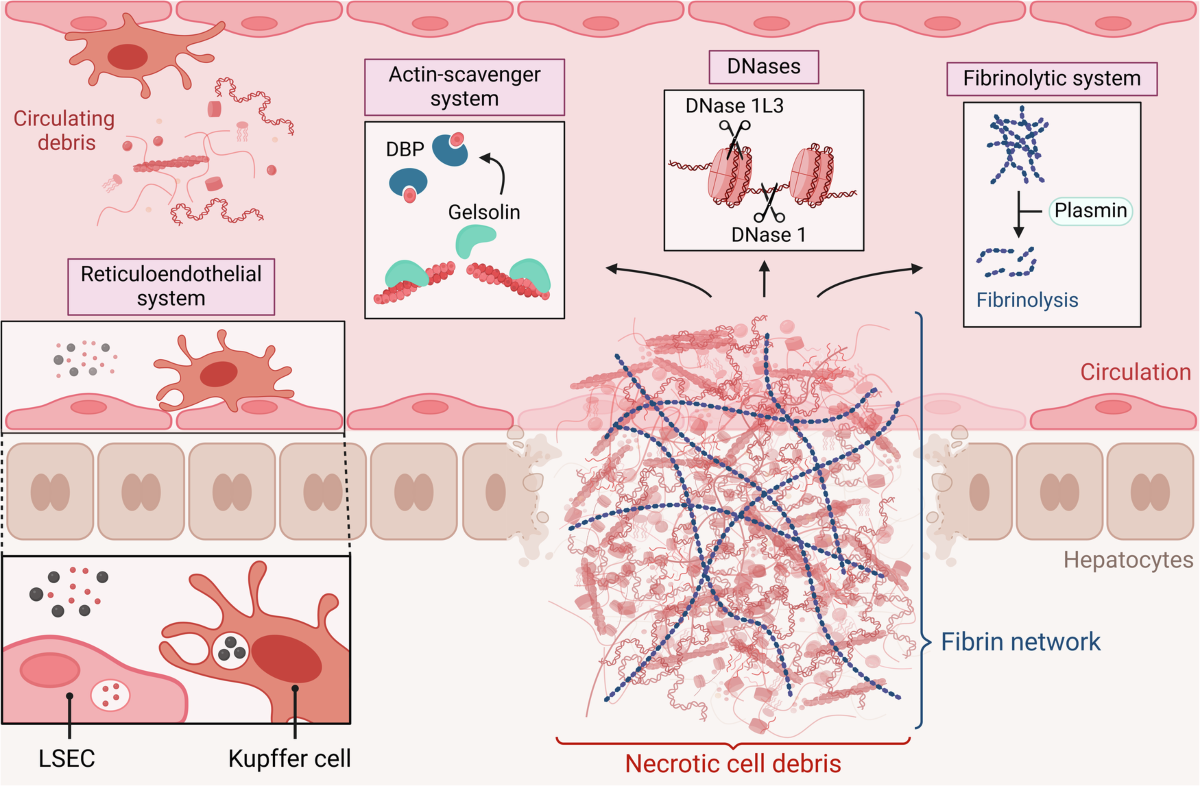
6.5 Cellular Debris and Damaged Molecular Components
Cells continually generate, repair and remove damaged molecular components. With aging, changes in proteostasis, autophagy and cellular maintenance can influence how efficiently these processes operate.
Damaged mitochondria, misplaced nucleic acids and other stress-associated signals can affect innate immune pathways. Researchers are examining how these mechanisms contribute to persistent inflammatory signaling and whether their effects vary between tissues.
7. Molecular Pathways Connecting Aging and Immune Dysfunction
Immune cells respond to nutrients, growth factors, antigens, cytokines and environmental signals through interconnected molecular networks. Aging can change the regulation of these pathways, influencing metabolism, proliferation, differentiation and inflammatory activity.
7.1 mTOR Signaling and Cellular Metabolism
The mechanistic target of rapamycin, or mTOR, is part of a signaling network that senses nutrient availability, growth signals and cellular energy status. It contributes to the regulation of protein synthesis, metabolism, cell growth and immune cell differentiation.
Different immune cell states rely on different metabolic programs. For example, activation, proliferation and memory formation require coordinated changes in energy production and biosynthetic activity. Researchers investigate how age-related changes in nutrient sensing and mTOR signaling influence these programs.
The effects of mTOR signaling are context-dependent. Its role differs among cell types and physiological conditions, so findings from one experimental system cannot automatically be generalized to every component of immune aging.
7.2 AMPK and Energy Sensing
AMP-activated protein kinase, or AMPK, helps cells respond to changes in energy availability. It influences metabolic pathways and can interact with processes involved in mitochondrial function, autophagy and cellular stress responses.
Because immune cells require energy to activate, migrate and perform specialized tasks, researchers examine AMPK-associated pathways when investigating immunometabolism. Understanding these mechanisms can help explain how cellular energy regulation influences immune responses during aging.
7.3 Autophagy and Proteostasis
Autophagy is a group of cellular processes that deliver selected cellular components to lysosomes for degradation and recycling. It helps maintain cellular quality by removing damaged structures and supporting adaptation to changing conditions.
Proteostasis refers to the maintenance of a functional protein pool through protein synthesis, folding, trafficking and degradation. Changes in autophagy and proteostasis can influence cellular stress, mitochondrial maintenance and inflammatory signaling.
Researchers study these processes because impaired cellular maintenance may contribute to the accumulation of damaged components and changes in immune cell function.
7.4 cGAS–STING Signaling
The cyclic GMP-AMP synthase, or cGAS, can detect DNA in inappropriate cellular locations and produce a signaling molecule that activates STING. This pathway is important in innate immune responses to certain intracellular threats.
Mislocalized DNA and cellular stress have also been investigated as potential contributors to age-associated inflammatory signaling. The cGAS–STING pathway is therefore an active topic in research on cellular senescence and inflammaging.
7.5 JAK–STAT and Cytokine Signaling
Janus kinase and signal transducer and activator of transcription pathways, known as JAK–STAT signaling, transmit information from many cytokine and growth-factor receptors to intracellular targets that regulate gene expression.
Age-associated changes in cytokine production or intracellular signaling can alter communication between immune cells. Studying JAK–STAT pathways helps researchers understand how extracellular signals influence immune cell activation and differentiation.
7.6 DNA Damage Responses and Telomere Biology
Cells use DNA damage response mechanisms to detect and respond to genomic damage. Telomeres, the protective structures at chromosome ends, can shorten during repeated cell division in many cell populations. Critically short or dysfunctional telomeres can activate cellular stress responses and contribute to senescence.
These mechanisms are relevant to immune cells because repeated proliferation and cellular maintenance are essential features of immune responses. Researchers investigate telomere length, DNA damage markers and cell-cycle regulation as part of broader studies of immune aging.
| Pathway or mechanism | Primary biological role | Relevance to aging research |
|---|---|---|
| NF-κB | Inflammatory gene regulation | Persistent inflammatory signaling |
| mTOR | Growth, nutrient sensing and metabolism | Immune cell activation and metabolic regulation |
| AMPK | Cellular energy sensing | Energy balance and cellular stress responses |
| NLRP3 | Inflammasome assembly and inflammatory signaling | Age-associated inflammatory mechanisms |
| cGAS–STING | Intracellular DNA sensing | Innate immune activation and cellular stress |
| JAK–STAT | Cytokine signal transmission | Immune cell communication and differentiation |
| Autophagy | Cellular recycling and quality control | Organelle maintenance and stress regulation |
8. The Gut Microbiome and Age-Related Immune Changes
The gut microbiome contains communities of microorganisms that interact with dietary components, intestinal tissues and the immune system. These interactions influence the production of microbial metabolites, the integrity of the intestinal barrier and the development of selected immune responses.
Microbiome composition can change with age, although the direction and magnitude of these changes vary among populations. Diet, medication exposure, living environment, physical activity and underlying conditions can all influence microbial communities.
8.1 Microbial Diversity and Immune Regulation
Researchers examine microbial diversity and the abundance of particular microorganisms to investigate associations with immune function. However, greater diversity is not automatically beneficial in every context, and a single microbiome profile does not define a universally healthy state.
The interpretation of microbiome studies requires careful consideration of study design, sequencing methods, sample collection, diet and other confounding factors.
8.2 Short-Chain Fatty Acids and Immune Communication
Certain gut microorganisms produce short-chain fatty acids, including acetate, propionate and butyrate, through the fermentation of dietary substrates. These metabolites can influence epithelial biology, immune signaling and metabolic processes.
Research has explored how changes in microbial metabolism affect regulatory T cells, intestinal barrier function and inflammatory responses. The precise effects depend on the metabolite, concentration, tissue and biological context.
8.3 Intestinal Barrier Function and Inflammation
The intestinal barrier helps regulate interactions between the intestinal contents and underlying tissues. Changes in barrier integrity may influence exposure to microbial products and local immune signaling.
Scientists investigate whether age-associated alterations in the gut microbiome, epithelial barrier and immune regulation contribute to systemic inflammatory patterns. These relationships are complex and should not be interpreted as proof that one microbial change causes immune decline in every individual.
9. What Are the Biological Consequences of Immune Aging?
Changes in immune function can influence several aspects of biology. The consequences depend on which immune pathways are affected, the person's overall physiological condition and the environmental challenges encountered.
9.1 Responses to Infection
Innate and adaptive immunity work together to recognize and respond to infectious agents. Age-related changes in pathogen recognition, immune cell coordination, antibody responses and immune memory can influence the effectiveness and timing of these responses.
These changes help explain why some infections may pose greater risks to older adults. However, outcomes are also influenced by exposure, vaccination status, underlying conditions, nutrition and access to appropriate care.
9.2 Vaccine Responses and Immune Memory
Vaccination exposes the immune system to antigens in a controlled context to stimulate protective immune responses. These responses may involve antibody production, T-cell activation and the development of immune memory.
Age-associated changes in B cells, T cells, antigen presentation and lymphoid tissue environments can influence vaccine responsiveness. Research therefore examines antibody concentration, functional antibody activity, cellular responses and the persistence of immune memory.
Vaccine responses vary considerably, and age alone does not determine an individual's response. The type of vaccine, previous exposure, vaccination history and other biological factors also matter.
9.3 Tissue Repair and Resolution of Inflammation
Immune cells contribute to the removal of damaged material, the coordination of tissue repair and the resolution of inflammatory responses. These activities require carefully timed interactions between immune cells, stromal cells and tissue-specific signals.
Age-related changes in macrophage function, inflammatory regulation and cellular senescence may influence these processes. Persistent inflammation can interfere with normal tissue homeostasis, while inadequate responses may limit particular protective functions.
9.4 Immune Surveillance
Immune surveillance describes the recognition and response to selected abnormal cells and other biological threats. Cytotoxic T cells, NK cells and additional immune components participate in different aspects of this process.
Age-related changes in immune cell populations and signaling are investigated in relation to immune surveillance. The relationship is complex and does not imply that aging alone determines whether a particular abnormal cell will be recognized.
9.5 The Relationship Between Aging and Chronic Conditions
Chronic inflammatory activity and immune dysregulation are associated with numerous age-related biological processes. Researchers examine these relationships in metabolic, cardiovascular, neurological and other areas of biology.
Association does not establish causation. Chronic conditions can themselves alter immune function, and factors such as medications, lifestyle, body composition and environmental exposures can affect both immune measurements and clinical outcomes.
10. Biomarkers Used to Investigate Immunosenescence
A biomarker is a measurable biological characteristic that provides information about a process, condition or response. In immune aging research, investigators combine cellular, molecular and functional biomarkers to characterize different dimensions of immunosenescence.
10.1 Immune Cell Population Markers
Flow cytometry and related methods can identify immune cell populations using selected surface and intracellular markers. Researchers may measure naive and memory T cells, B-cell subsets, NK cells, monocytes and regulatory T cells.
Markers must be interpreted in combination with the biological question. No single surface marker can reliably summarize the functional state of an entire immune cell population.
10.2 Inflammatory Biomarkers
Cytokines such as IL-6 and TNF, along with other inflammatory mediators, are frequently measured in studies of inflammaging. Their levels can fluctuate, so study design and sampling conditions are essential for meaningful interpretation.
Researchers may also measure acute-phase proteins and additional indicators of inflammation, depending on the study objectives. These measurements are informative but are not specific to immune aging alone.
10.3 Cellular Senescence Markers
Senescence research uses combinations of markers because no single biomarker identifies all senescent cells in every tissue. Commonly investigated features include p16-related pathways, p21, senescence-associated beta-galactosidase activity, DNA damage markers and selected SASP factors.
These indicators can also occur in other biological contexts. Researchers therefore interpret senescence markers alongside cell identity, morphology, functional evidence and other experimental findings.
10.4 Epigenetic and Transcriptomic Signatures
DNA methylation patterns and gene-expression profiles can provide information about molecular changes associated with aging. Transcriptomic studies may identify shifts in immune signaling, cellular metabolism, stress responses and cell differentiation.
Epigenetic clocks estimate aspects of biological aging from particular molecular patterns. They are useful research tools, but an epigenetic age estimate is not identical to a direct measurement of immune competence.
10.5 Functional Biomarkers
Functional measurements may provide more direct evidence of immune activity than abundance or expression alone. Examples include lymphocyte proliferation, antibody binding or neutralization, NK-cell cytotoxicity, phagocytosis and cytokine responses following stimulation.
Combining these assays with cell profiling and molecular measurements allows researchers to test whether observed molecular differences correspond to measurable changes in biological function.
11. Laboratory Methods for Studying Immune System Aging
Modern immunosenescence research combines cell biology, molecular analysis, protein measurement and computational methods. The choice of technique depends on the question: researchers may want to identify cell populations, measure inflammatory mediators, examine gene regulation or evaluate functional responses.
11.1 Flow Cytometry and Immunophenotyping
Flow cytometry measures selected physical and fluorescent characteristics of individual cells as they pass through an instrument. By using panels of labeled antibodies, researchers can identify and quantify immune cell populations and investigate selected activation, differentiation and intracellular markers.
Multicolor flow cytometry can help distinguish naive and memory lymphocytes, characterize monocyte populations and measure selected functional markers. Good experimental design requires appropriate controls, validated antibodies, compensation or spectral unmixing where applicable, and consistent gating strategies.
11.2 Cell Sorting and Functional Studies
Fluorescence-activated cell sorting can isolate selected cell populations for downstream analysis. Sorted cells may be used for gene-expression studies, culture experiments, metabolic assays or other functional investigations.
Cell isolation and sorting can introduce stress or change cell behavior, so processing time, temperature and sample handling should be considered when comparing age groups.
11.3 ELISA and Cytokine Quantification
Enzyme-linked immunosorbent assays, commonly called ELISA, are widely used to measure specific proteins in biological samples. In immunology research, ELISA methods can quantify selected cytokines, antibodies and other analytes.
Multiplex immunoassays can measure multiple analytes in a single sample, depending on the platform. These methods are useful when investigators need to characterize inflammatory profiles or compare the levels of several signaling molecules.
Assay sensitivity, specificity, dynamic range, sample matrix effects and quality-control procedures all influence data reliability. Appropriate standards and controls are essential when comparing measurements across experimental groups.
11.4 Quantitative PCR and Gene Expression
Quantitative polymerase chain reaction, or qPCR, can measure selected nucleic acid targets. Reverse-transcription qPCR is frequently used to quantify RNA-derived complementary DNA and investigate the expression of genes involved in immune signaling, cellular senescence and inflammation.
Target selection and normalization strategy are important. Researchers should validate reference genes, consider RNA quality and distinguish gene-expression changes from changes in the cellular composition of the sample.
11.5 Bulk RNA Sequencing
Bulk RNA sequencing measures gene-expression patterns across a tissue or cell population. It can identify genes and biological pathways associated with age, experimental treatment or other variables.
A major limitation is that bulk measurements combine signals from multiple cells. An apparent change in gene expression may reflect a change within cells, a change in the proportions of different cell types, or both.
11.6 Single-Cell RNA Sequencing
Single-cell RNA sequencing, or scRNA-seq, measures RNA expression at the level of individual cells. This technology can identify previously unrecognized cell states, characterize heterogeneity and reveal changes in the relative abundance of immune cell populations.
For aging research, single-cell transcriptomics can help compare immune cell states across age groups, investigate inflammatory gene-expression signatures and identify populations that would be difficult to resolve using bulk analysis alone.
The method has limitations. Dissociation can affect gene expression, rare populations may be missed, and transcript dropout can complicate analysis. Sample quality, batch effects and computational methods require careful attention.

11.7 Proteomics and Immunometabolism
Proteomics examines proteins and their abundance, modifications or interactions. Since immune responses depend on signaling proteins, receptors and metabolic enzymes, proteomic analysis can complement transcriptomic measurements.
Metabolomics and metabolic flux analysis investigate small molecules and the activity of metabolic pathways. These approaches can help researchers explore mitochondrial function, nutrient utilization and energy regulation in aging immune cells.
11.8 Spatial Transcriptomics and Tissue Context
Spatial transcriptomics connects gene-expression information with locations inside tissue sections. This allows researchers to investigate where particular immune cell states occur and how they relate to neighboring cell populations.
Spatial methods are particularly relevant when tissue architecture and local cellular interactions are important. For example, they may help characterize immune cell distribution within lymphoid tissues or examine how aging changes the relationship between immune and stromal cells.
11.9 TCR and BCR Repertoire Sequencing
T-cell receptor and B-cell receptor sequencing provide information about the diversity and clonal composition of lymphocyte populations. These methods help researchers study antigen receptor repertoires, clonal expansion and changes associated with age or antigen exposure.
Repertoire data require careful interpretation. Clonal expansion may reflect previous immune exposure, and repertoire diversity alone does not establish the effectiveness of a particular immune response.
11.10 Integrating Multi-Omics Data
Multi-omics approaches combine two or more molecular measurement types, such as transcriptomics, proteomics, metabolomics and epigenomics. Integrating these datasets can help researchers connect gene regulation, protein abundance and metabolic changes within aging immune systems.
Computational analysis is essential because high-dimensional datasets contain complex relationships, batch effects and potential confounding factors. Statistical validation, independent replication and functional experiments help determine which observations are robust and biologically meaningful.
12. Future Directions in Immunosenescence Research
New technologies are making it possible to study immune aging with increasing cellular and molecular resolution. Instead of measuring only broad immune cell categories, researchers can characterize individual cell states, receptor repertoires, gene-regulatory networks and interactions within tissues.
12.1 Artificial Intelligence and Computational Immunology
Artificial intelligence and machine learning can support the analysis of high-dimensional biological data. Applications include clustering cell populations, identifying molecular signatures, integrating multi-omics measurements and generating hypotheses about interactions between immune cells and their environment.
These methods are most useful when the underlying data are reliable and the models are evaluated carefully. Technical variation, population differences and insufficient sample sizes can create misleading patterns. Computational predictions therefore need appropriate validation.
12.2 Precision Immunology and Individual Variation
Researchers increasingly recognize that immune aging is not identical across individuals. Detailed profiling may reveal differences in immune cell composition, inflammatory activity, receptor diversity and molecular pathways that are hidden by population averages.
The long-term research goal is to understand which combinations of biological measurements most accurately characterize immune states and how those measurements relate to functional outcomes. Such work requires longitudinal studies, diverse participant groups and standardized laboratory methods.
12.3 Senescence-Associated Pathways
Senescent cells and their secreted factors are active subjects in aging biology. Researchers are studying how senescence develops, how it affects tissue environments and how immune cells recognize or remove senescent cells.
Potential interventions targeting senescence-associated mechanisms remain an evolving research area. Their effects may depend on cell type, timing and biological context, and findings from experimental models should not be interpreted as proof of clinical effectiveness.
12.4 Understanding Immune Aging Across Tissues
Immune cells do not operate in isolation. They interact with epithelial cells, fibroblasts, endothelial cells, extracellular matrix components and tissue-specific signaling molecules.
Single-cell and spatial technologies can help map these relationships and identify how tissue environments change with age. This is an important step toward understanding why immune aging differs between organs and biological compartments.
12.5 Better Experimental Models and Reproducibility
Research into immune aging requires appropriate model systems, validated assays and transparent experimental reporting. Cell cultures, animal models and human studies each provide different types of evidence and have distinct limitations.
Standardized protocols, robust controls, independent replication and clear reporting of sample characteristics can improve the reproducibility of immunosenescence studies. Longitudinal research is particularly valuable for distinguishing changes associated with aging from differences that were already present earlier in life.
13. Can Immune Aging Be Slowed or Reversed?
Immune aging is a multifactorial biological process. There is currently no single intervention proven to completely prevent or reverse all features of immunosenescence in humans. Research is exploring cellular senescence, immune metabolism, thymic biology, inflammation and other mechanisms, but different interventions have different levels of evidence.
Nutrition and Essential Nutrients
Adequate nutrition supports normal immune cell production, tissue maintenance and metabolic function. Deficiencies in particular nutrients can affect immune function, but taking additional supplements does not necessarily improve immune responses in people who already meet their nutritional requirements.
Physical Activity
Regular physical activity supports multiple aspects of physiological function. Researchers investigate how exercise influences inflammatory markers, immune cell distribution and metabolic regulation across the lifespan.
Sleep and Circadian Rhythms
Immune activity is influenced by circadian rhythms and sleep-related processes. Sleep disruption can affect the regulation of inflammatory signaling and other physiological systems. Consistent, sufficient sleep supports overall health, although it does not eliminate age-related immune changes.
Vaccination and Preventive Care
Age-appropriate vaccination and routine preventive care remain important approaches to reducing the risk of selected infections and complications. Vaccination recommendations vary by age, location and individual circumstances, so guidance from qualified healthcare professionals is appropriate.
Research Into Emerging Interventions
Scientific studies are investigating approaches involving cellular senescence, metabolic regulation and selected immune pathways. Much of this work remains experimental, and interventions that affect immune signaling may have complex effects. Findings from laboratory models do not automatically establish safety or effectiveness in humans.
A central goal of aging biology is to determine which mechanisms can be modified safely, which biological outcomes can be improved and whether any benefits persist over time.
14. Frequently Asked Questions About Immune System Aging
What is the scientific term for immune system aging?
Immunosenescence is the term used for age-associated changes in immune cell populations, immune signaling and functional responses. It includes changes in both innate and adaptive immunity.
At what age does the immune system begin to decline?
Immune system changes occur gradually and at different rates across the lifespan. Thymic involution begins relatively early in life, while other age-associated changes emerge over time. There is no single age at which all immune functions decline.
What is the difference between immunosenescence and inflammaging?
Immunosenescence describes age-associated remodeling of immune function. Inflammaging describes persistent, generally low-grade inflammation associated with aging. The two processes can overlap and influence each other.
Why are T cells important in immune aging?
T cells coordinate adaptive immunity, recognize specific antigens and support immune memory. Age-associated changes in thymic output, T-cell receptor diversity, differentiation and cellular metabolism can influence their responses.
How does aging affect B cells and antibodies?
Aging can influence B-cell development, repertoire diversity, germinal-center reactions, antibody affinity maturation and memory formation. The effects vary depending on the population and the immune response being studied.
Why can inflammation increase while immune responses weaken?
Immune protection and inflammatory regulation are related but distinct functions. Aging can reduce the effectiveness of certain antigen-specific responses while persistent cellular stress and altered inflammatory signaling increase baseline inflammatory activity.
Which biomarkers are used to study immunosenescence?
Researchers may examine immune cell subsets, cytokines, functional assays, cellular senescence markers, DNA methylation, gene-expression profiles and immune receptor repertoire diversity. No single biomarker captures every dimension of immune aging.
What is the role of flow cytometry in immune aging research?
Flow cytometry allows researchers to identify and quantify immune cell populations using selected markers. It can characterize lymphocyte subsets, activation states and other cellular features relevant to immunosenescence.
How can single-cell RNA sequencing help explain immune decline?
Single-cell RNA sequencing measures gene-expression patterns in individual cells. It helps identify heterogeneous immune populations, discover age-associated cell states and characterize transcriptional changes that may be obscured in bulk measurements.
Does immune aging affect everyone in the same way?
No. Immune aging varies with genetic background, previous antigen exposure, environmental factors, lifestyle and other biological characteristics. People of the same chronological age can have different immune cell profiles and functional responses.
Can immune aging be completely reversed?
No intervention has been established as a universal way to reverse all aspects of immune aging. Researchers are investigating selected mechanisms, but experimental findings require further validation before conclusions about effectiveness in humans can be made.
Conclusion: The Future of Immune System Aging Research
The decline and remodeling of immune system function with age involve an interconnected network of cellular, molecular and tissue-level processes. Immunosenescence can affect T-cell diversity, B-cell differentiation, innate immune function, antibody responses and the coordination of immune memory. At the same time, inflammaging reflects persistent inflammatory activity associated with cellular stress, senescence, altered metabolism and changes in tissue homeostasis.
Understanding these processes requires more than measuring total white blood cell counts or individual inflammatory markers. Researchers combine flow cytometry, immunophenotyping, functional assays, transcriptomics, proteomics, epigenetics and metabolic analysis to characterize immune aging at multiple levels.
Advances in single-cell RNA sequencing, spatial transcriptomics, immune receptor profiling and computational biology are creating new opportunities to investigate how immune cell populations change over time. These approaches may help researchers distinguish cell-intrinsic aging mechanisms from changes in tissue environments and population composition.
For scientists working in immunology, cellular biology, molecular research and aging biology, immunosenescence remains a significant field of investigation. Continued research will be essential for understanding individual variation, validating biomarkers and determining which age-associated mechanisms may be safely modified.
By connecting cellular observations with molecular pathways and functional evidence, researchers can build a more complete picture of how the immune system changes across the lifespan.
15. Scientific References and Further Reading
The following publications and research resources provide starting points for further reading on immunosenescence, inflammaging, immune cell biology and aging research.
- Nikolich-Žugich J. (2018). The twilight of immunity: emerging concepts in aging of the immune system. Nature Immunology. Read the publication.
- Franceschi C. et al. (2018). Inflamm-aging: An Evolutionary Perspective on Immunosenescence. Annals of the New York Academy of Sciences. Find the publication on PubMed.
- Goronzy J. J. and Weyand C. M. Understanding immunosenescence to improve responses to vaccines. Explore research on immune aging, T-cell biology and vaccine responses. Search PubMed.
- Campisi J. et al. (2019). From discoveries in ageing research to therapeutics for healthy ageing. Nature. Read the publication.
- National Institute on Aging. Research and information on aging biology. Explore the National Institute on Aging.
- National Library of Medicine. Research literature on immunosenescence and inflammaging. Search scientific publications on PubMed.
- National Library of Medicine. Research literature on single-cell technologies and immune aging. Explore related research.